Carrying a handgun in Texas: permitless carry and the License to Carry
Since September 1, 2021, most Texas adults can carry a handgun without a license. The state still issues the License to Carry, often called the LTC, and hundreds of thousands of Texans keep one because it opens doors that permitless carry does not. This guide explains who can carry without a license, where no one may carry, and how to get the LTC from the Texas Department of Public Safety. It reflects the law as of September 2026 and is not legal advice.
Permitless carry under House Bill 1927
House Bill 1927, the Firearm Carry Act of 2021, lets a person carry a handgun without a license if they:
- are 21 or older;
- are not barred by state or federal law from possessing a firearm;
- have not been convicted in the past five years of assault causing bodily injury, deadly conduct, terroristic threat or disorderly conduct involving displaying or firing a firearm.
You may carry concealed, or openly in a holster. The law no longer requires a belt or shoulder holster specifically, but an openly carried handgun must be holstered, and intentionally displaying a handgun in plain view in public outside a holster is an offense. You may also keep a handgun concealed or holstered in your own vehicle or boat. The Department of Public Safety posts a free two-part video course on firearm safety and handling for anyone who carries.
Where carry is barred
Some places are off-limits under Texas Penal Code Section 46.03, license or not, with narrow exceptions:
- Schools: school premises, school-sponsored activities and school buses.
- Polling places: on election day and during early voting.
- Courts: courtrooms and court offices, unless the court gives written permission.
- Sporting events: premises where a high school, college or professional sporting event is taking place.
- Racetracks, correctional facilities and secured areas of airports.
- Bars: businesses that earn 51 percent or more of their income from alcohol served on site, which must post a red 51 percent sign.
- Hospitals, nursing homes and amusement parks that give proper notice.
Private property owners can also bar handguns. License holders are kept out by signs that meet Penal Code Section 30.06 for concealed carry and Section 30.07 for open carry: English and Spanish text, contrasting colors and block letters at least one inch high. People carrying without a license can be kept out by trespass notice under Section 30.05, including signs in the form that law sets. Cities, counties and state agencies may not post 30.06 or 30.07 signs on government property that is not otherwise off-limits.
Why people still get the License to Carry
The Department of Public Safety lists these benefits:
- Reciprocity: other states that honor the Texas license let you carry when you travel. Permitless carry stops at the state line.
- Campus carry: a license is still required to carry on public university campuses.
- Buying guns: the license can serve as an alternative to the NICS check at the dealer.
- Government meetings: license holders may carry in open government meetings.
- Airports: license holders get protection if they accidentally carry into a secured screening area.
- Identification: the card is valid ID and counts as voter ID.
Who issues the license
The Texas Department of Public Safety issues every License to Carry in the state. County sheriffs do not. You apply online, schedule fingerprints through the state's fingerprint vendor, and upload your training certificate. The department aims to issue a license within 60 days of a complete application, but a request for more records can add time.
Eligibility
Government Code Section 411.172 sets the rules. In short, you must be at least 21 (see the note below), not have a felony conviction, and not have a Class A or B misdemeanor conviction in the past five years, which includes DWI. Deferred adjudication counts as a conviction for this purpose. Pending charges, certain protective orders, chemical dependency and some mental health findings can also disqualify you. You do not need to live in Texas; legal residents of other states can apply if they complete Texas training.
On age: after the federal court ruling in Firearms Policy Coalition v. McCraw in 2022, the department no longer denies an otherwise eligible applicant solely for being 18 to 20 years old.
Training
You have two options:
- Take a four- to six-hour classroom course and the shooting proficiency test with a DPS-certified License to Carry instructor.
- Take the classroom part online through an approved provider, then finish one to two hours of range instruction and the proficiency test with a certified instructor.
The class covers use of force law, handgun safety and restraint holsters, nonviolent dispute resolution and safe storage. Instructors set their own prices. There is no continuing education required to renew.
Fees and term
- Standard fee: $40 for a new license and $40 to renew.
- Veterans: $25 for honorably discharged veterans; active military pay nothing.
- Seniors and indigent applicants: $40 new and $35 to renew.
- Fingerprinting: a separate fee paid to the vendor.
- Term: a first license is valid for four years, and renewals are valid for five.
There is no grace period. If your license expires while a renewal is pending, you lose the license benefits until the new card arrives, though permitless carry rules still apply.
Reciprocity
Senate Bill 706, effective September 1, 2025, says a valid handgun license issued by any other state is recognized in Texas. Which states honor the Texas license is a separate question, and the answer changes. Check the Department of Public Safety reciprocity chart and the laws of the state you are visiting before you travel, and follow that state's carry rules while you are there.
Choosing a carry gun
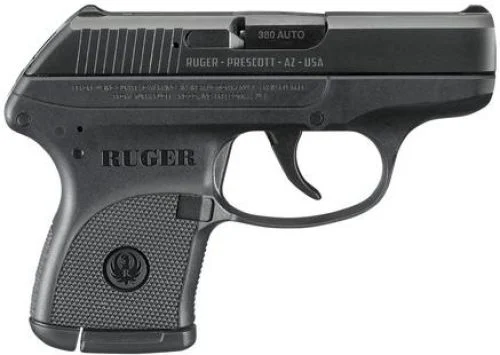
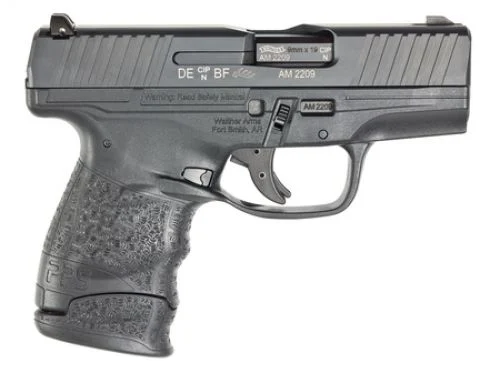
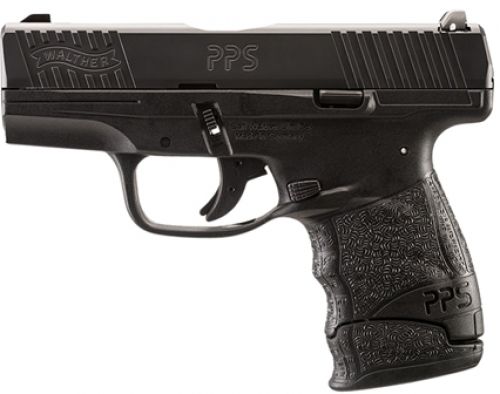
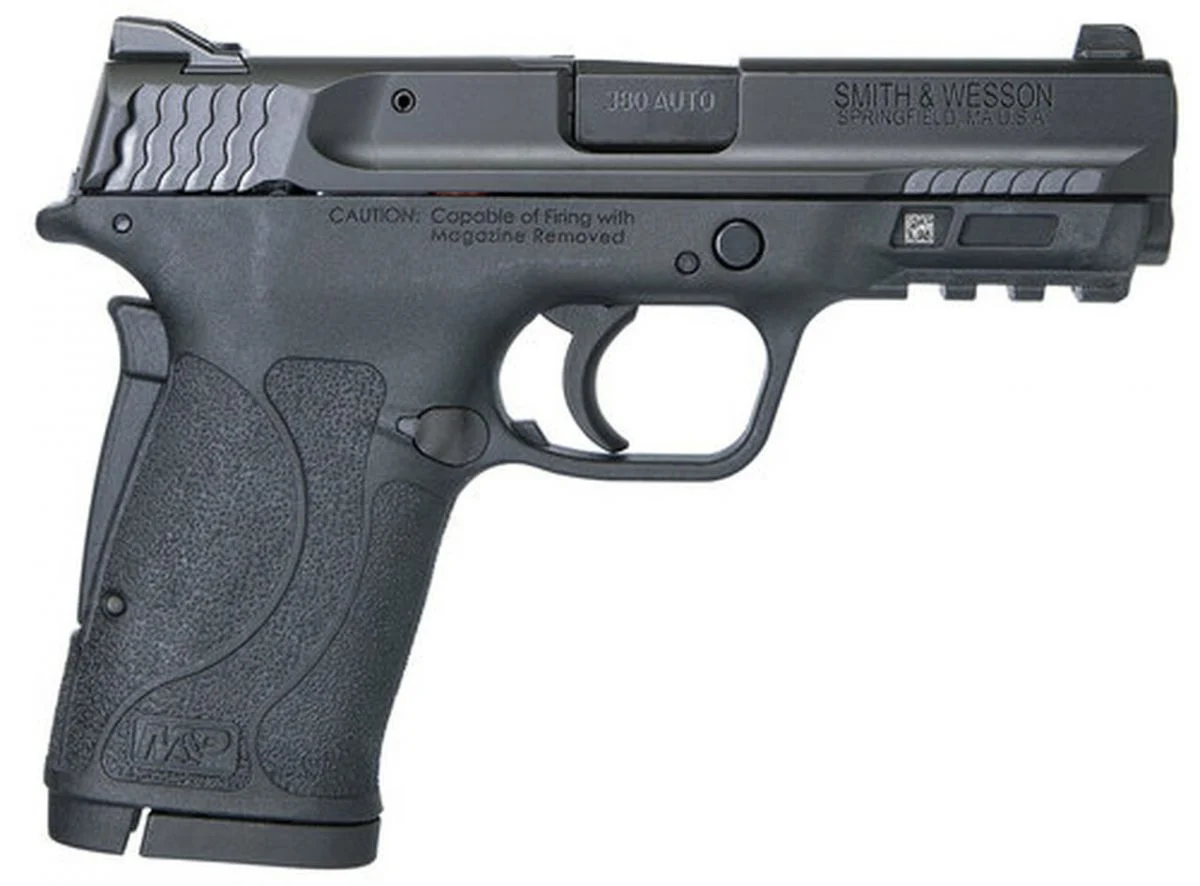
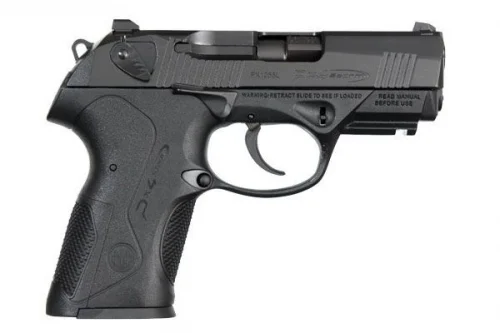
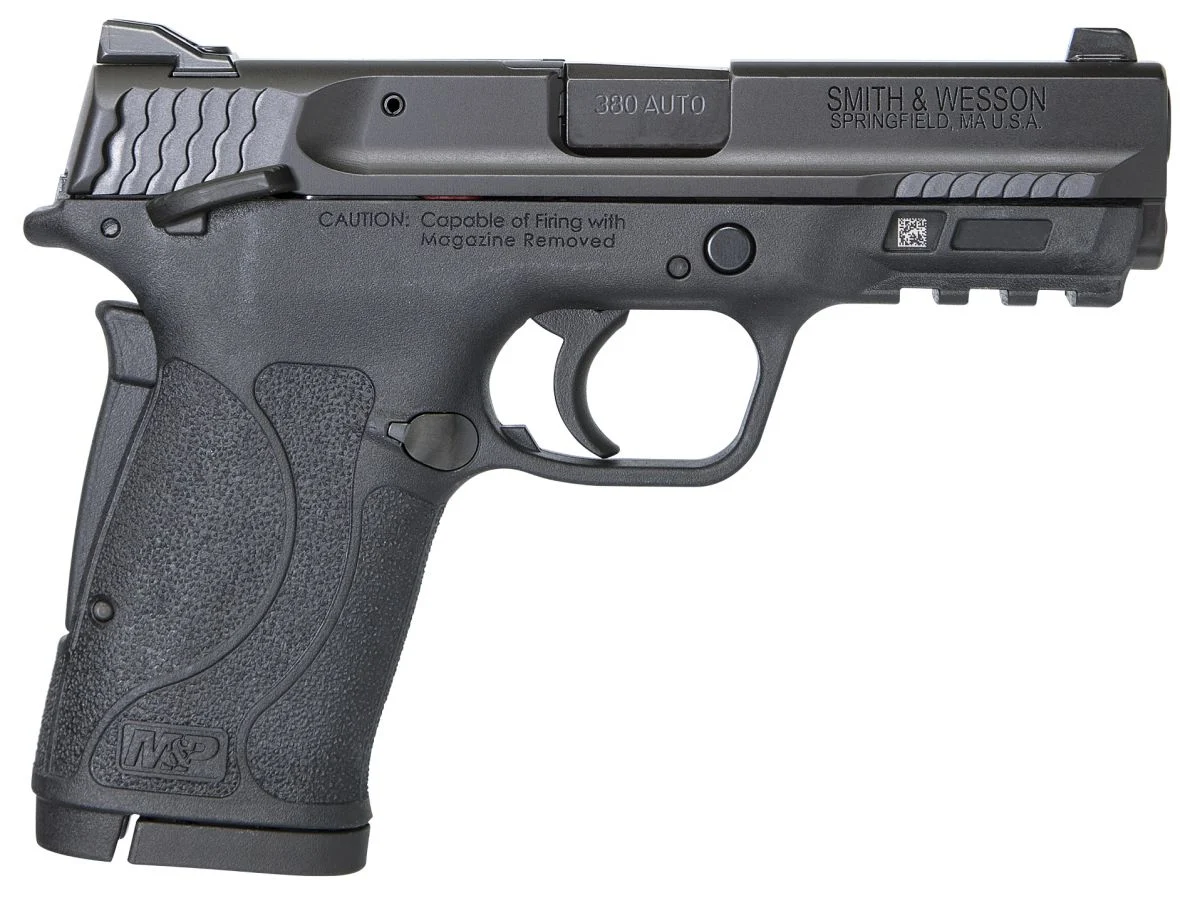
A compact or subcompact 9mm is the usual choice: enough capacity, manageable recoil and many holster options. Central Texas summers are long and hot, so many people carry inside the waistband under a loose shirt. Train with the gun you plan to carry. Browse handguns in our catalog; your pick ships to a dealer near you.
Related guides
For purchase rules and the 2025 law changes, see Texas gun laws. For local rules around McLennan County, read the Waco gun buying guide, or find your town in the gun shop directory, such as Temple, Gatesville or Bryan.
General information, not legal advice. Current as of September 2026. Laws change; check the official source before you act.